A day in the life as…a Service Designer
Paulina Villalon shares what it is like to work as a Service Designer in the Data Science, Insight and Performance Team, in Lewisham Council.
What’s the single biggest project you’ve worked on for Londoners?
I don’t know if the project I’ll mention is the most impactful (well, impact can be measured in many ways!), but it’s the biggest in terms of scale. I led a discovery piece of work about people with learning disabilities and autism to understand their needs and aspirations, as well as the challenges and blockers that get in the way of their happiness and fulfilment.
Describe a moment this year when you truly felt the impact of your work on the community.
I’ve been involved in several projects related to council tax. One of the diagnoses showed that council tax is an area that a lot of people and residents struggle to understand. To better support residents, as well as the service, I led on a project to make council tax information more accessible and easier to understand – less jargony. At the same time, some of our forms were also redesigned to guide people to use the correct ones. The whole project has helped residents to find information more easily, while reducing the number of avoidable calls to the service.
What is the most complex or ambitious technical problem you are currently trying to solve for your borough?
I can separate the two biggest projects I’ve worked on this year into both categories mentioned in the question (most complex /ambitious technical problem). The most complex is related to designing a proactive approach to support our social tenants to move from temporary accommodation to introductory tenancies without falling into arrears. Its complexity lies in the ecosystem around residents and how teams work together at different stages to their journey; while certain processes, procedures and technology are not fit for purpose or flexible enough to support that journey, as well as limited staff and resources in general. We also have to acknowledge social tenants’ circumstances and their own lived experience.
The ambitious technical problem is around digital transformation in waste services. This is a service that has been paper-based for a long time. In that sense, I’ve been facilitating and bringing together people to think collectively about the service delivery with its roles and responsibilities, KPIs (Key Performance Indicators) and, in the end, how technology will help them to better deliver services for Lewisham residents.
Describe your average day. What kind of meetings are you in, and what is the biggest deliverable you’re currently focused on?
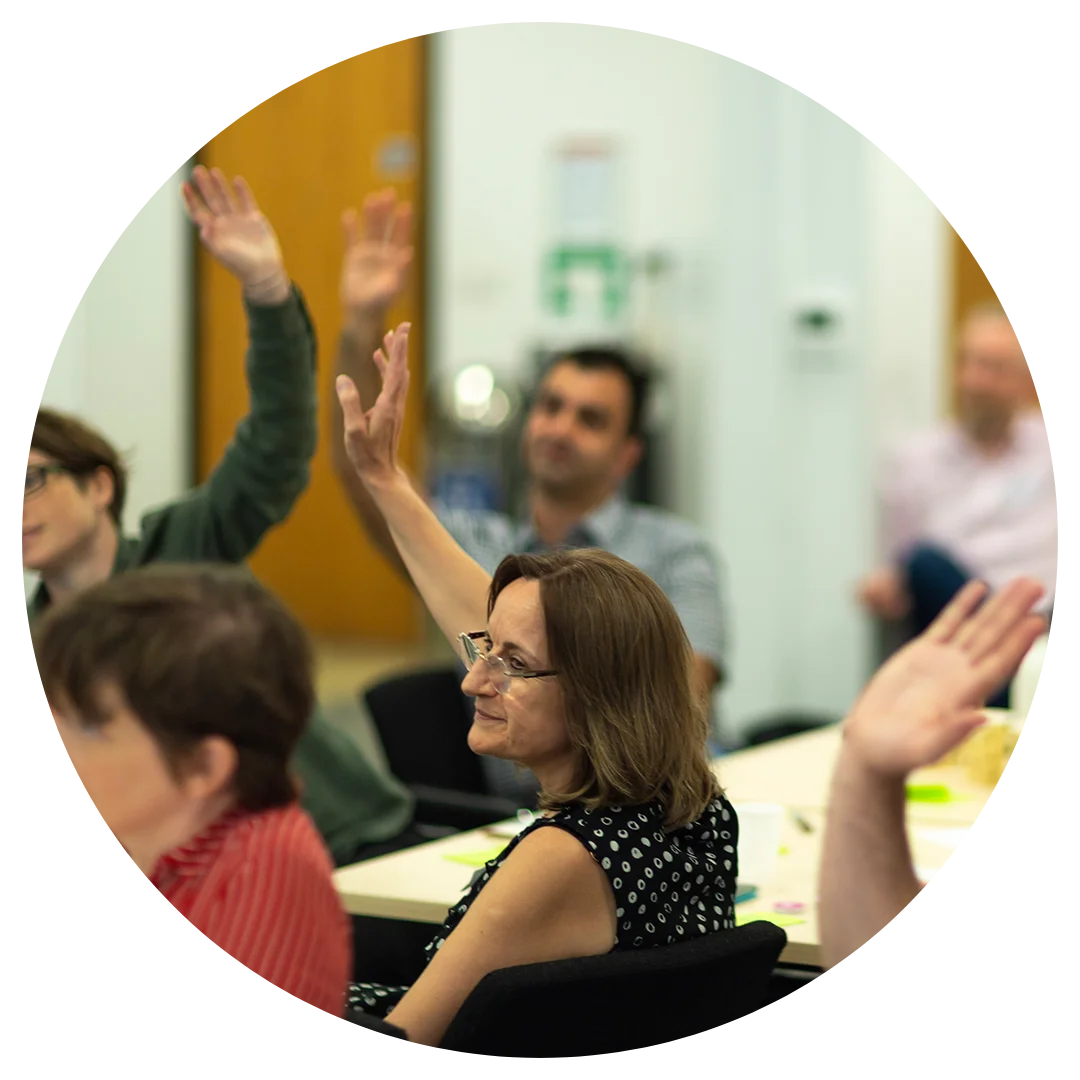
Depending on the project, I could be interviewing residents in-person or remotely, facilitating workshops and conversations with Council’s teams, or engaging with external organisations. In some other occasions, especially when I’m wrapping up projects, I would go to my own little cave to synthetise findings, organise information and write reports – I really enjoy creating artifacts to show findings (like behavioural archetypes, user journeys, blueprints, etc.), but they take a lot of time, effort and focus. And I’d say that’s the beauty of service design, everyday looks different, and you get to meet a lot of colleagues and services, while also having the chance of interacting with residents.
What’s the soundtrack to your commute, or your go-to podcast for the journey?
I love to discover new music, so I usually listen to Discover Weekly on Spotify. If I’m in the mood, I might listen to podcasts about economy (Gary’s economics), politics (Animales Politicos, a Chilean podcast) or funny podcasts (The truth in my opinion by Cody Dahler, and Good Hang by Amy Pohler). I had my podcasts’ marathon era but I’m over those ones (for now).
Which non-technical teams do you work most closely with (e.g., social workers, housing officers), and what is the most surprising thing you’ve learned from them?
As I mentioned previously, it depends on the project, but recently I presented my findings about early rent arrears to the housing welfare team (a team in charge of income maximisation for our tenants) and they really blew my mind because of their motivation to do the work and the level of details and nuances around the issues that affect new council tenants. In the past, I’ve also had the chance of working with social workers, commissioners, teams that provide care to some of our more vulnerable residents, etc. It’s not surprising for me how much they get to know their services: they interact with residents and understand them, while facing internal challenges, so teams always share valuable information to comprehend service delivery from different angles.
Explain a complicated aspect of your job—like ‘digital twin strategy’ or ‘predictive maintenance’—to a layperson in a simple, exciting way.
Well, I have to say that for me, explaining service design is complicated. I believe that the easiest way to explain it is to imagine a service designer as the musical director of an orchestra. You have multiple people and instruments that need to be organised for a symphony to be performed as intended by the composer. However, to get to that point, the orchestra’s director needs to understand what’s not going on if something is not working as intended, so they need to drill down in people’s circumstances, or even instruments! On the other hand, the whole orchestra must rehearse the symphony, where participants sit down, etc. to perform a good act.
In summary, a service designer can help to discover issues, lead/support trial and error, and then organise resources to make sure that the final outcome is delivered effectively.
Where do you usually grab lunch in the borough?
If I’m treating myself, Deptford has many options: Marcella, SALT and Sodo for pizzas and Zenoni, the loveliest café with the loveliest people in the area, for Greek food. For deserts, specifically ice cream I’d go to Madeleine’s Creperie in Blackheath… delicious!
Do you mentor or coach junior staff? What is the one piece of advice you always give to someone starting out in local gov?
I’ve mentored people joining the Council in some other areas in the past, specially product designers. I always say to them that working in local government has its own timing and sometimes that might be frustrating. However, it’s the best place to do things that really have a concrete effect in people’s lives – and that feeling is incredibly rewarding.
How do you switch off after a busy day? What is your favourite thing to do in London after 6 PM?
I usually go to the gym, as it is the best way to decompress for me. However, I’d say that one of my favourite things to do in London is to walk around (especially in the summer) and pay attention to the city and its different faces. I find it fascinating.
Complete the sentence: “My job is challenging, but every day I am reminded that I am…”
…working to deliver better services for the residents in Lewisham, no matter where they live, come from, or economic status. It’s for everybody.