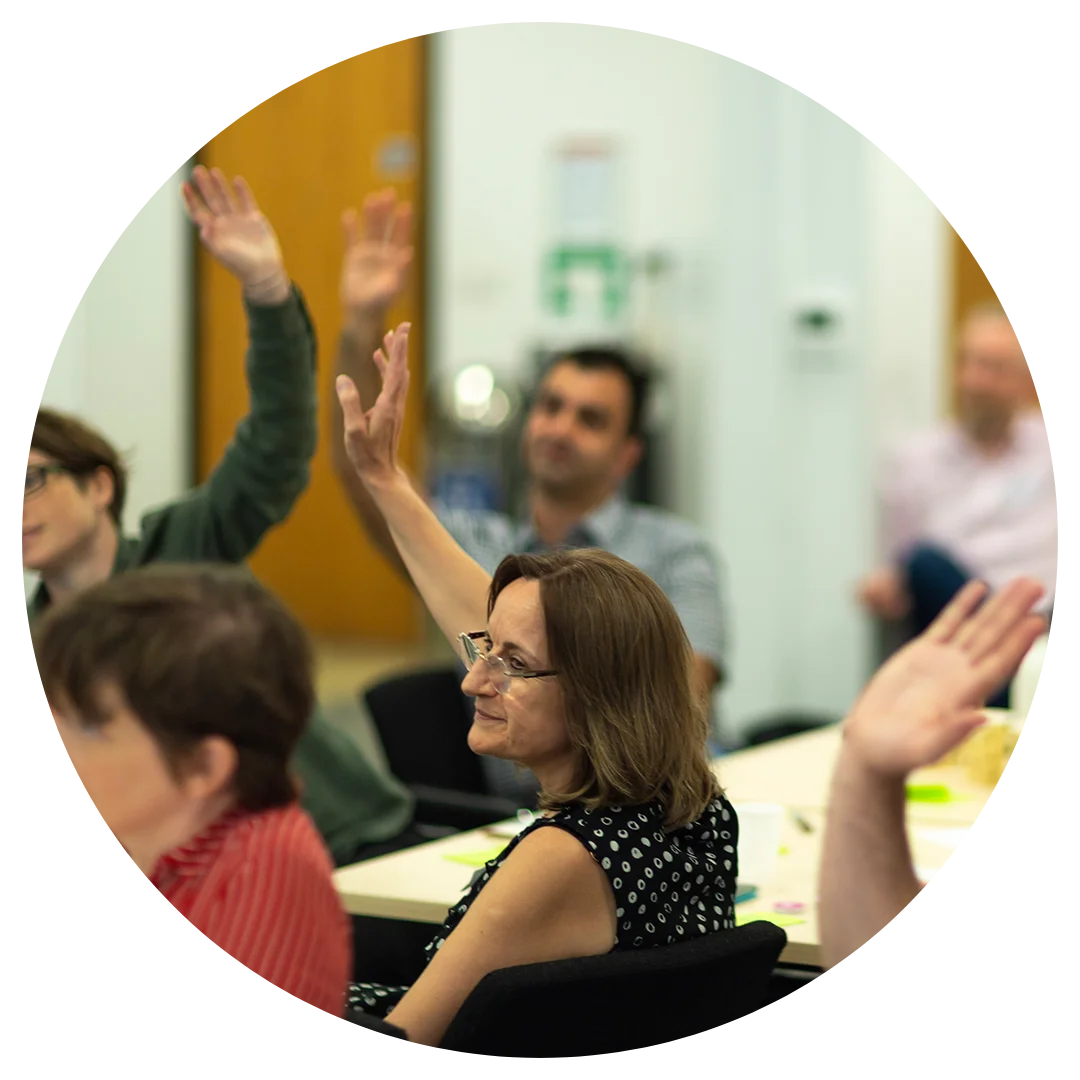
Empowering digitally excluded Londoners in the era of digital-first healthcare
Earlier this year, the Government announced its 10 Year Health Plan for England. The latest NHS data shows around 61% of the capital’s patients over the age of 13 are now using the NHS app. However, without a device, data, digital skills, confidence, beliefs and trust, many Londoners are being locked out of essential services that enable them to manage their health online.
In this blog, through three digital inclusion hubs in London’s Digital Inclusion Network, they demonstrate how to ‘bake in’ and not ‘bolt on’ digital inclusion into your digital health services.
Tackling digital exclusion in primary care
Going to your GP is often the first route into the healthcare system, and in Islington, more than half of GP practices are now operating a total digital triage model.
With the added national drive for increasing uptake of the NHS app, it means patients are often asked to access care online. But nearly 2 million households struggle to afford their mobile phone contract and 1.6m adults don’t have a smartphone, tablet or laptop, making this difficult.
Islington GP Federation (IGPF) employs hundreds of staff across a range of services and directly manages four GP practices. The organisation has signed up to become part of the National Databank – like a foodbank for data -and so far has connected more than 20 patients. Patients who receive a SIM card are signposted to local services that can help them develop their digital skills – creating a wider ecosystem of community spaces they can go to for assistance. IGPF has also worked with other organisations to distribute devices.
Phoebe, Digital Product Lead, said: “At IGPF, we have combined devices, data, skills training, and personalised support. Lack of devices, data, digital skills, or confidence can make managing health stressful or impossible for some, creating a barrier to care. At IGPF, we recognised this challenge early and made digital inclusion a central part of our work.”
They work with patients to create resources, have streamlined their processes, and their approach has been added into existing services, so it lasts and doesn’t repeat work.
Developing digital skills and confidence
Over in the West London boroughs of Ealing, Hounslow, Harrow and Hillingdon is ACDA Skills Training, who has been involved in digital health for over a decade. They have taken part in targeted initiatives teaching people how to use and access health information online and combat misinformation to help individuals make informed choices about their health.
Nearly 8 million people still lack basic digital skills but the organisation is tackling this by integrating access to online health services into their digital skills offer.
Vick, Training Manager at ACDA Skills Training said: “Locally there is a huge need for this. We have been approached by social prescribers, clinical leads, GP Surgery Patient Participation Groups and other health agencies requesting support in encouraging their patients with low or basic digital skills to those who are familiar with smart phones as a means of communication, but have difficulty with language or understanding the NHS app…”
Throughout their work, the organisation has met learners where they are – trusted faces in local places. From libraries, schools and children’s centres to addiction and mental health services, supported housing and sheltered accommodation – offering people the opportunity to learn new digital skills in community spaces they are familiar with.
Using lived experience to champion others
Lived experience can be a powerful catalyst for championing others in a similar position. Westminster-based 4M Network of Mentor Mothers CIC (4MNet) is a unique peer-led programme run by black migrant women. They train women living with HIV across the UK as mentor mothers to provide support to peers in their pregnancy journey and beyond.
As a virtual organisation, much of their work happens online – particularly through WhatsApp, where their mentees reach out for help. As well as providing data to nearly 50 women every month, the team are part of the National Device Bank and use Learn My Way with over 100 of their volunteers.
Founder Angelina said: “We know first-hand how much difference targeted support can make. We want to ensure women have the tools, knowledge, and access they need to thrive. Women report feeling more confident, more connected, and better equipped to navigate everyday challenges.”
Prior to receiving data and a device from 4MNet, one woman did not have access to home internet as she had moved into a new apartment with her family. She said: “I needed to get settled as much as I could but most of it all needed the internet. I needed to do online shopping and change GP online bookings. Now, I can. It helped me get through some of the stress of moving house.”
We know what works. Putting digital inclusion at the heart of digital health – from planning to delivery – makes it fairer, more efficient and strengthens community resilience. Together, we’re empowering Londoners and many others across the UK to be connected, confident and safe online, so they can be happier, healthier and better off.
If your borough or local organisation is looking to embed digital inclusion, find out how being part of the National Digital Inclusion Network can help.

Sophie Charlton
Phoebe Alexander

Vick Virdee
Angelina Namiba